



Shipping groups urge IMO to back net-zero framework
The Clean Shipping Coalition is urging International Maritime Organization (IMO) member states to maintain support for the UN shipping body’s Net-Zero Framework (NZF) ahead of next week’s key negotiations in London.
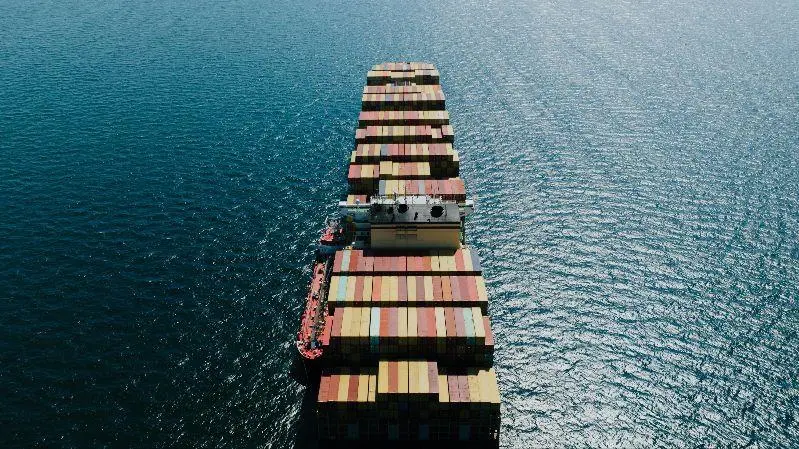
The coalition says the framework, agreed after years of negotiations, remains the strongest available mechanism for delivering the IMO’s greenhouse gas reduction targets, including net-zero emissions from international shipping by 2050.
“While less ambitious than we had hoped for, the NZF’s broad political support from member states means it remains the best tool available,” said Clean Shipping Coalition president Lukas Leppert. “Any further weakening would lead to a less effective, slower and costlier transition.”
The framework, approved at the IMO’s Marine Environment Protection Committee in 2025, includes a global fuel standard requiring ship operators to progressively reduce greenhouse gas emissions from marine fuels. It also proposes a financial mechanism that would put a price on part of shipping’s greenhouse gas emissions and generate funding for the transition.
Shipping accounts for around 2-3% of global greenhouse gas emissions, making the sector a significant contributor to climate change. The IMO’s existing strategy calls for emissions to fall by 30% by 2030 and 80% by 2040, alongside the long-term 2050 net-zero goal.
The upcoming Intersessional Working Group on Reduction of GHG Emissions from Ships is expected to consider the NZF alongside alternative proposals submitted by member states. The coalition has particularly criticised submissions from Liberia and Japan, arguing they could undermine emissions reductions and weaken financial support for vulnerable countries.
Delaine McCullough, shipping program director at Ocean Conservancy, said shipping ‘must be part of the solution’ as climate impacts intensify.
“It may not be perfect, but it has the elements needed to eliminate the global shipping industry’s emissions by 2050,” McCullough said.
The coalition is also calling for a centralised fund administered by the IMO or another independent body, with sufficient contributions to support a just and equitable transition.
The negotiations will also examine the IMO’s life-cycle greenhouse gas assessment framework for marine fuels. Environmental groups are warning that decisions on fuel sustainability could determine whether alternatives such as LNG and biomethane contribute to long-term emissions reductions.
The Clean Shipping Coalition says the IMO must avoid further delays after the adoption timetable for its climate framework was pushed back last year.
“Forget the distractions,” Leppert said. “Now is the moment for the IMO and all its member states to have the courage to protect and adopt the Net-Zero Framework ‘as is’.”
Related Articles
 ALTERNATIVE FUELS & LUBRICANTS
 ALTERNATIVE FUELS & LUBRICANTS
 ALTERNATIVE FUELS & LUBRICANTS