Delegates are invited aboard
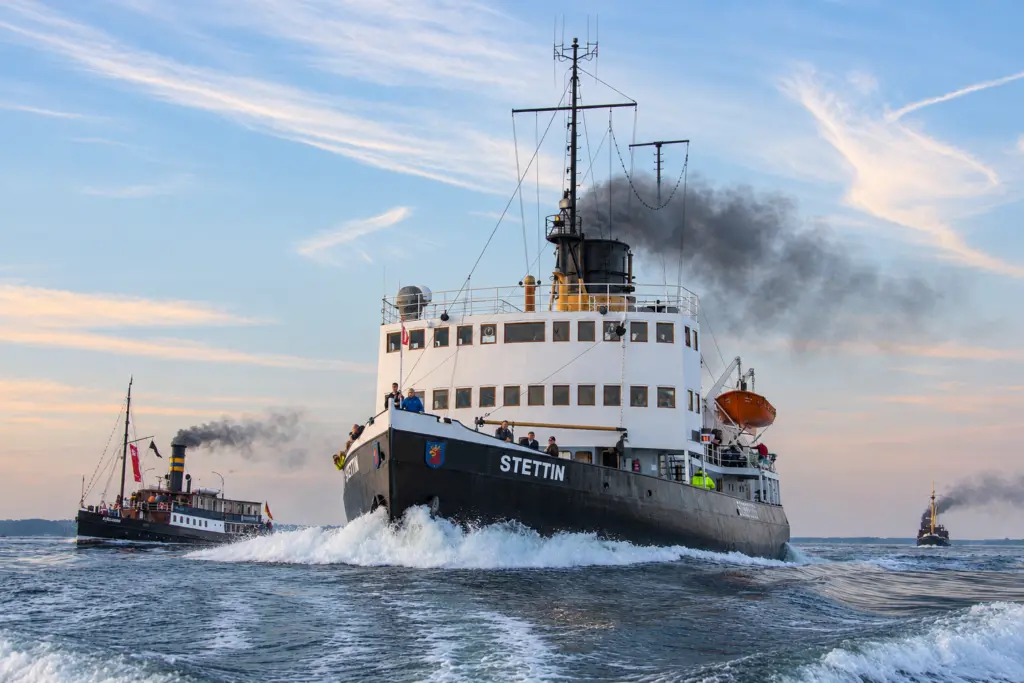
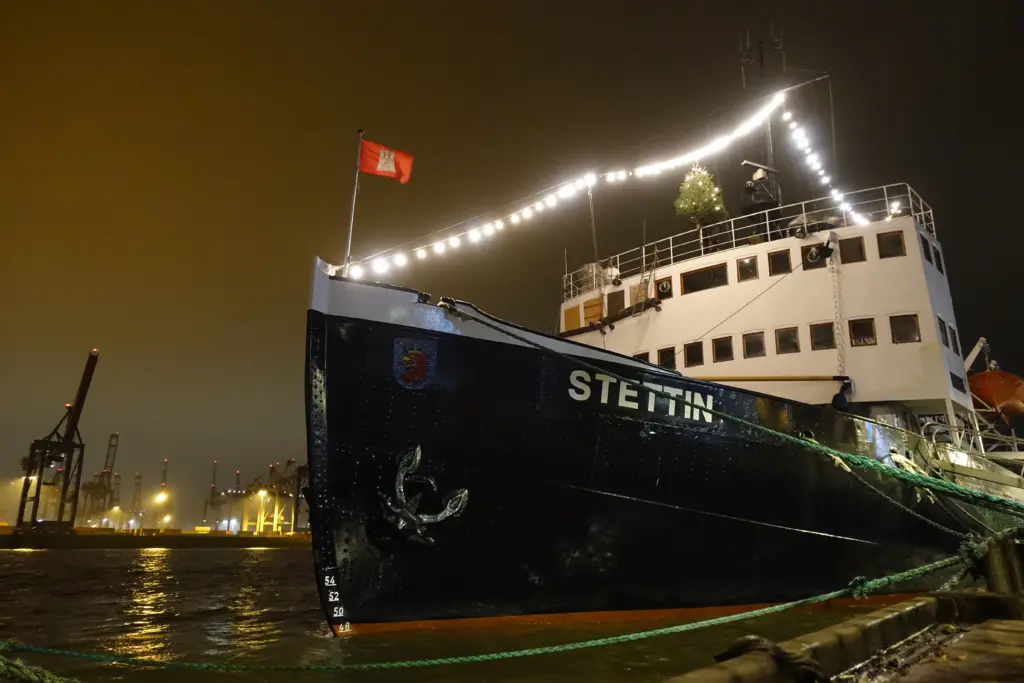
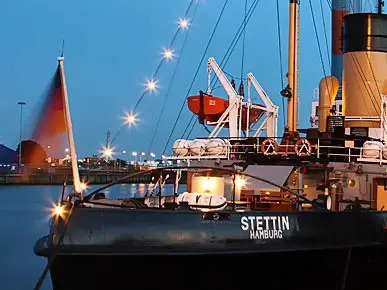
The STETTIN is the last operational German seagoing steam icebreaker and an important part of Germany’s maritime heritage. Built in 1933 at the Stettiner Oderwerke shipyard, she served for decades as an icebreaker in the Baltic Sea and on the River Elbe before being preserved by a dedicated support association. Since 1982, the STETTIN has operated as a museum ship and ambassador for historic steam navigation, offering voyages, events, and educational programs while keeping traditional maritime engineering alive.
The tour will include:
A guided tour with a special focus on STETTIN’s historic propulsion plant, including its 2,200 hp triple-expansion steam engine and impressive fire-tube boilers. Gain insights into the vessel’s engineering and operational history. Last but not least, the tour also demonstrates how a historic steamship can benefit from modern digitalization, combining traditional maritime engineering with advanced sensors, data acquisition systems, and cloud-based access to operational information. The tour is complemented by tea, coffee, and refreshments.
A fascinating opportunity
The visit offers a fascinating opportunity to see a historic marine propulsion system at close hand and consider how propulsion technology has evolved over the past century. It also provides a link between the engineering of the steam era and the technologies and alternative fuels shaping the future of maritime propulsion. The technical visit will bring the 2026 Propulsion & Future Fuels Conference to a close, giving delegates the opportunity to experience a remarkable piece of maritime engineering and continue discussions with fellow industry professionals.
The 2026 technical visit is sponsored by Hoppe Marine GmbH.
Hoppe Marine GmbH is a globally recognized provider of maritime measurement, monitoring, and digitalization solutions. With over 75 years of experience, the company delivers innovative technologies that help shipowners, operators, shipyards, and OEMs improve vessel safety, efficiency, and sustainability.
Previous Tours:
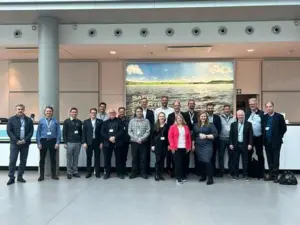
Last year, on the 27th November 2025, Propulsion and Future Fuels delegates were invited to visit the Fraunhofer Center for Maritime Logistics and Services (CML) for an exclusive technical tour. The programme offered valuable insights into cutting-edge maritime research and innovation. Delegates enjoyed a coffee on arrival and an introductory presentation, followed by the following demonstrations. The demonstrations lasted 10-15 minutes each and were delivered in English. The radio and bridge laboratory at the Fraunhofer CML combines two things in one: the antenna system and the classed bridge system, which makes the research building technically a real seagoing vessel – the stone ship in the middle of Harburg’s inland port.
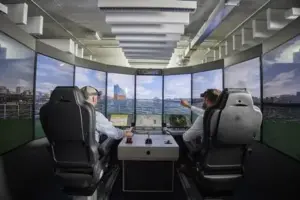
In 2024 the Propulsion & Future Fuels Technical visit took place at DNV. DNV welcomed Propulsion & Future Fuel delegates to their Hamburg office for an in-depth exploration of digital twin technology, featuring a mix of presentations, live demonstrations, and discussions on its transformative potential. Following a welcome by Rasmus Stute, Dr. Pierre Sames highlighted the central role of digital twins in DNV’s services, while Claudia Ohlmeier’s tour of DNV’s operation centre offered a real-world view of their application. Presentations by André Kauffeldt and Claas Rostock showcased how digital twins enhance decarbonisation, safety, and secure collaboration across industries. The event concluded with future-focused sessions on autonomous navigation and simulation assurance, led by Cesar de Carvalho and Claas Rostock, followed by an engaging Q&A with Sergey Gribanov. Key takeaways included the technology’s power to optimise design, construction, and operations, as well as the need for trustworthy, collaborative environments. Attendees left with a deeper understanding of digital twins’ growing role in shaping safer, smarter, and more sustainable industries; a journey DNV continues to drive forward. You can read more here.