
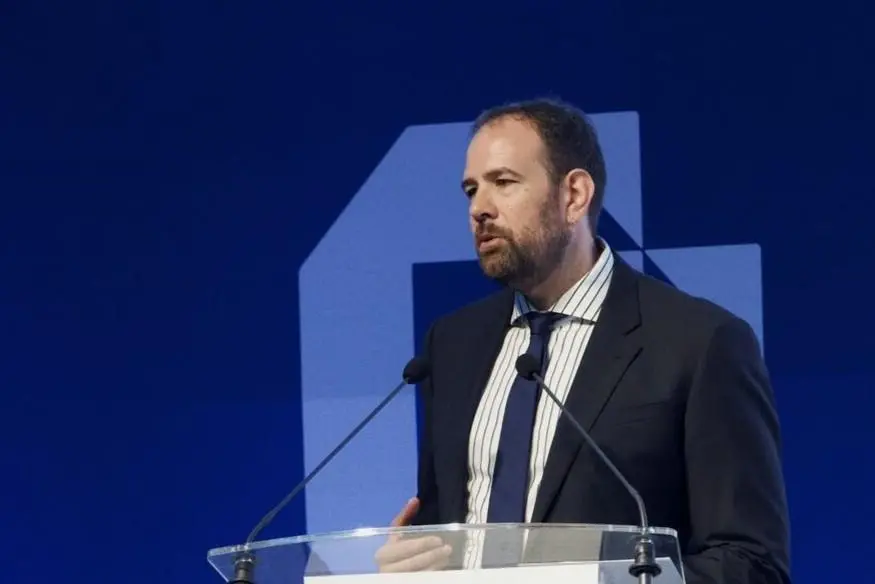
With new IMO decarbonization targets expected to have come into effect immediately before the Propulsion & Future Fuels Conference the need for effective and flexible energy modelling has never been greater, Bureau Veritas’s Diego Pauluzzi will highlight at the December meeting.
With a focus on electrified modular propulsion systems Pauluzzi, who leads technology and innovation initiatives across Italy and Monaco, is well placed to showcase how integrated modelling and simulation can reduce both design complexity and vessel emissions.
He will describe how Bureau Veritas’s Ship Energy Efficiency Calculation and Analysis Tool (SEECAT) can optimise system performance and help owners and operators determine their best options for reducing CO2 emissions, with a real vessel case presented in evidence.
Beyond his role as Technology & Innovation Manager at Bureau Veritas, Pauluzzi collaborates with the University of Trieste, delivering the ‘Special Ships’ course within the Naval Architecture faculty, with particular emphasis on advanced propulsion concepts, including nuclear.
He also engages with other universities through lectures and seminars on emissions, sustainability, and next-generation maritime technologies, actively contributing to the development of future industry professionals.
Speaking in the Power in Sync: Connecting Hull, Energy, Fuel Efficiency and Propulsion Performance for Greater Efficiency session on the conference’s opening day, Pauluzzi will be joined by Kathleen Elward, VP Commercial Operations at Silverstream Technologies, and Scott Herring, Managing Director at Aderco
The 2026 Propulsion & Future Fuels Conference in Hamburg – 8-10 December – will offer expert insight on shipping’s energy transition. To benefit from the information and connections on offer, simply click here