



Carbon cost rules questioned
Shipowners and ship managers paying carbon costs under the EU Emissions Trading System (EU ETS) cannot assume they will recover those costs from charterers, despite a statutory reimbursement right, according to a new study from Erasmus School of Law at Erasmus University Rotterdam.
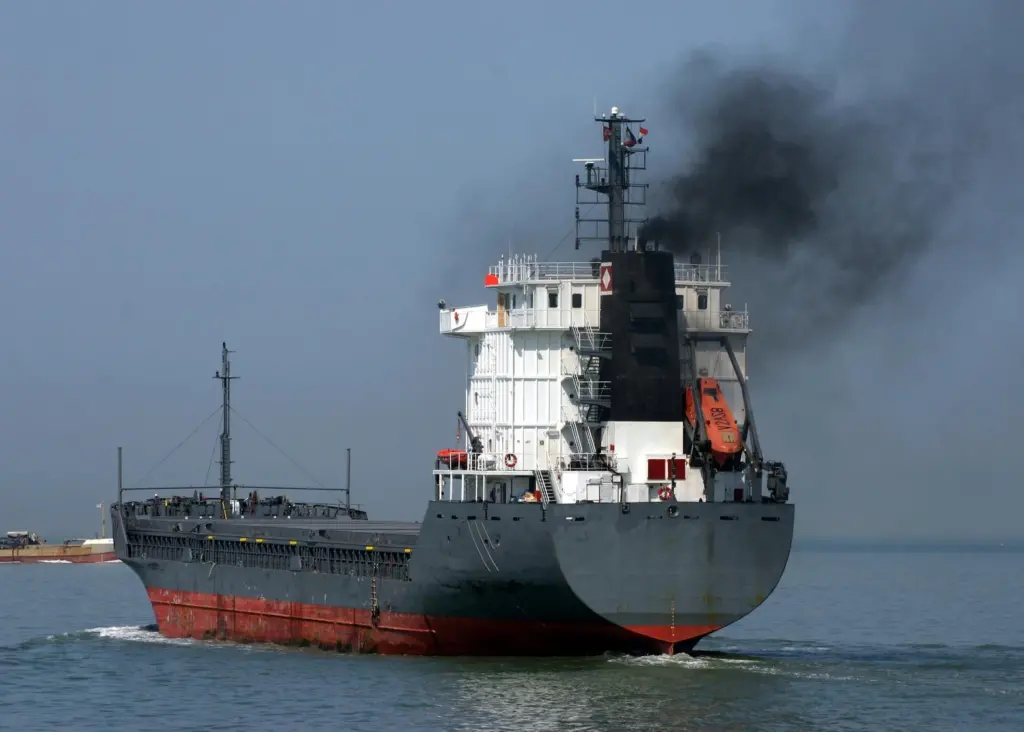
The research concludes that the EU’s reimbursement mechanism is largely ineffective in practice, with commercial contracts rather than legislation determining who ultimately pays emissions costs.
“The EU ETS gives the impression that shipowners and managers who pay the carbon bill can automatically recover it from the party actually responsible for the ship’s operation or fuel purchase,” explained Hannah Mosmans, co-author of the study and PhD researcher at Erasmus School of Law.
“Our research shows that this is largely an illusion once you look at how shipping contracts actually work.”
Since 2024, shipping companies operating to and from the EU have been required to purchase and surrender emissions allowances under the EU ETS. Although the directive gives shipping companies a legal right to recover those costs from the party controlling fuel purchases or vessel operations, typically the time charterer, the study argues that right often fails once real-world contracts and laws are considered.
Researchers identified three key obstacles. Multi-layered charter chains can make it difficult to determine which party is responsible for reimbursement, while most shipping contracts are governed by English law, creating uncertainty over whether national reimbursement rights can override contractual provisions. In addition, many disputes are resolved through arbitration in London or Singapore, limiting the practical enforcement of EU statutory rights.
The study found that standard carbon clauses developed by BIMCO provide a useful starting point but do not address every commercial risk, leaving gaps around issues including price volatility, credit risk, off-hire and demurrage.
“If the statutory reimbursement right cannot be relied upon, parties throughout the shipping chain need to make sure their own contracts are watertight on carbon cost allocation,” said Professor Jolien Kruit, co-author of the study and partner at Van Traa Advocaten.
“Expecting that the statutory mechanism will be sufficient is a risky strategy.”
The researchers also warned the findings have wider implications beyond Europe. They note that the UK’s domestic shipping emissions trading scheme, introduced in July 2026, contains no statutory reimbursement mechanism, while future global carbon pricing measures being developed by the IMO will need to account for similar complexities to avoid repeating the same enforcement problems.
Related Articles
 ALTERNATIVE FUELS & LUBRICANTS
 ALTERNATIVE FUELS & LUBRICANTS
 ALTERNATIVE FUELS & LUBRICANTS