


Report highlights alternative fuel safety
A new industry report has identified the key safety challenges facing shipping’s transition to alternative fuels, calling for stronger collaboration, clearer regulation and greater operational preparedness as the sector works towards net zero emissions.
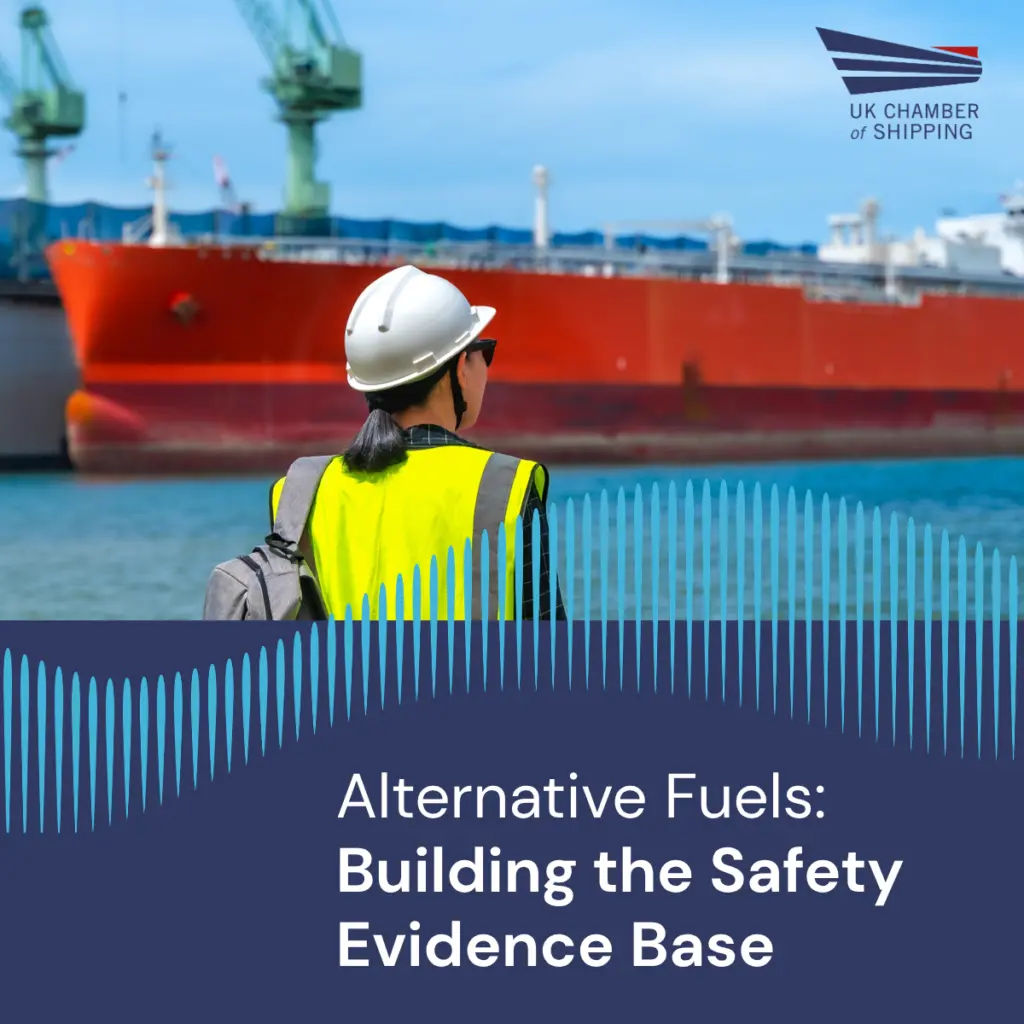
Published by the UK Chamber of Shipping, ’Alternative Fuels: Building the Safety Evidence Base’ brings together expertise from across the maritime sector to assess the safety considerations associated with five leading fuel pathways: battery energy storage systems, biofuels, methanol, hydrogen and ammonia.
“Shipping is on a critical pathway to net zero,” said Francesco Sandrelli, policy director (Environment) at the UK Chamber of Shipping. “New fuels and energy sources are moving from pilot projects to commercial reality, but safety, standards and operational readiness must keep pace.
“There is no single fuel that will decarbonise shipping. Different vessel types, trades and operating environments will require different solutions. What is essential is that the transition takes place safely.”
Developed by the Chamber’s Safety of Alternative Fuels Working Group, the report presents preliminary risk assessments and identifies common issues that cut across all fuel types. These include the need for robust design and process safety frameworks, improved material compatibility, enhanced emergency response planning, comprehensive crew training and clearer regulatory pathways to support commercial deployment.
Stephen Brown, chair of the Safety of Alternative Fuels Working Group and technology manager at Shell Shipping & Maritime, said the report demonstrates the value of industry collaboration. “The breadth of expertise involved in this work has created a valuable resource for operators, designers, regulators and the wider maritime sector,” he said. “This is the beginning of a longer journey, but we have established an important foundation for future collaboration.”
James Helliwell, vice-chair of the working group and commercial director for decarbonisation at V. Group, said the publication consolidates knowledge gained through industry trials. “By bringing together knowledge from across the sector, this initiative has produced a clear baseline understanding of key risks and considerations that will help inform future vessel design and operations,” he said.
Related Articles
 ALTERNATIVE FUELS & LUBRICANTS
 ALTERNATIVE FUELS & LUBRICANTS
 ALTERNATIVE FUELS & LUBRICANTS