


H2 tech shows promise for marine decarbonisation
An independent study finds hydrogen-powered Engine Carbon Clean technology could improve marine engine efficiency and reduce emissions
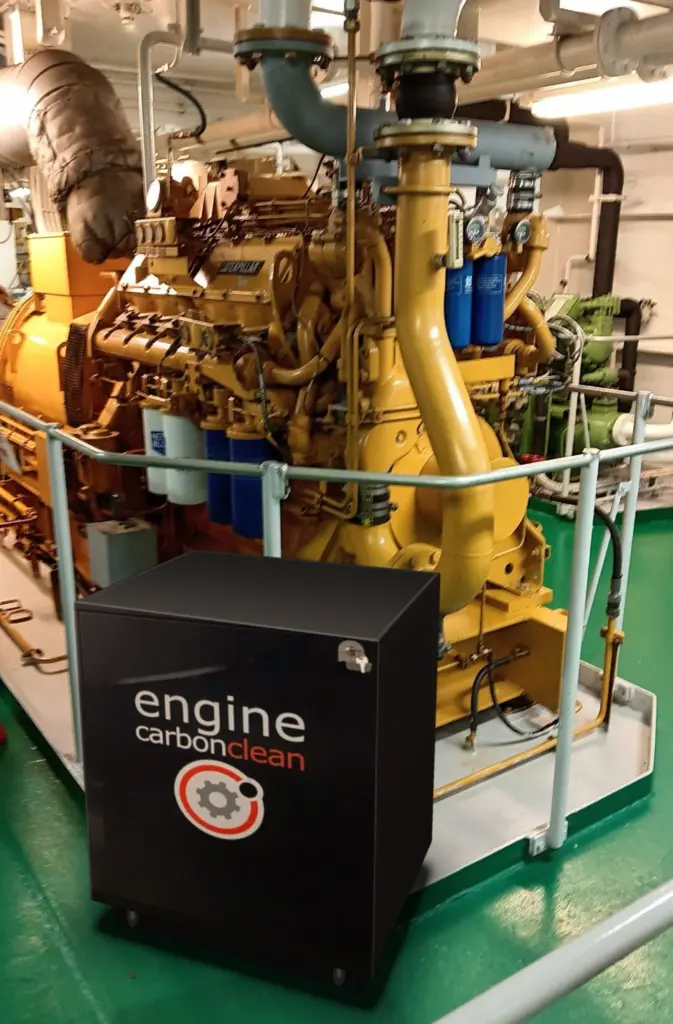
Hydrogen-powered engine cleaning technology could help decarbonise existing commercial vessels without requiring engine replacement or fuel conversion, according to an independent feasibility study conducted under Liverpool’s Maritime and Last Mile Net Zero (MaLaMi) initiative.
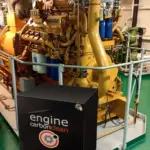
The three-month assessment examined Engine Carbon Clean (ECC), a patented on-demand hydrogen generator technology designed to remove carbon deposits from internal combustion engines. The study evaluated its potential applications across marine engine types, alongside technical feasibility, safety and regulatory considerations.
Ben Kattenhorn, chief executive of ECC, said: “As a modular system, it cleans any type and size of internal combustion engine, just by increasing the number of electrolysers.”
He added that the technology had already been used on rail and road maintenance and distribution vehicles, including those operated by Balfour Beatty and Industrial Chemicals, achieving reported fuel and carbon dioxide savings of 7–18%.
ECC works by introducing oxyhydrogen gas into an engine’s air intake, where the combustion process helps dislodge accumulated carbon deposits. The technology aims to improve fuel efficiency and engine performance while reducing emissions, including carbon dioxide, carbon monoxide and nitrogen oxides.
Supported by an associated grant funded by the Engineering and Physical Sciences Research Council (EPSRC), the study developed a structured framework for assessing deployment and commercialisation. It considered emerging international guidance from the IMO and classification societies, including DNV, helping address uncertainties for shipowners, insurers, ports and regulators.
The assessment identified ECC as a potentially low-risk route for introducing hydrogen technology to existing vessels. Its applications could extend from a port-side engine-cleaning service to permanently installed onboard generators for maintenance and servicing.
Kattenhorn said engines operating for extended periods at consistent throttle settings could be particularly suited to the technology, potentially making shipping a strong application.
The proposed next step is a controlled pilot installation aboard a selected vessel, supported by further safety-case development and engagement with classification bodies to secure the necessary approvals.

Related Articles
 ALTERNATIVE FUELS & LUBRICANTS
 ALTERNATIVE FUELS & LUBRICANTS
 PROPULSION