

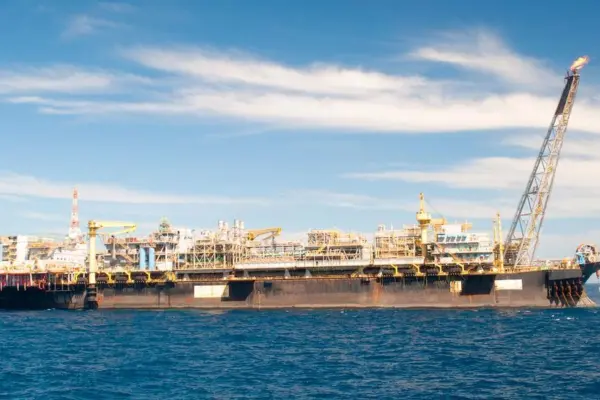
Report urges ammonia safety standards
Lloyd’s Register Maritime Decarbonisation Hub has called for a standardised approach to designing and assessing Safe Havens on ammonia-fuelled vessels, warning that inconsistent interpretation of emerging regulations could lead to varying levels of safety across the future fleet.
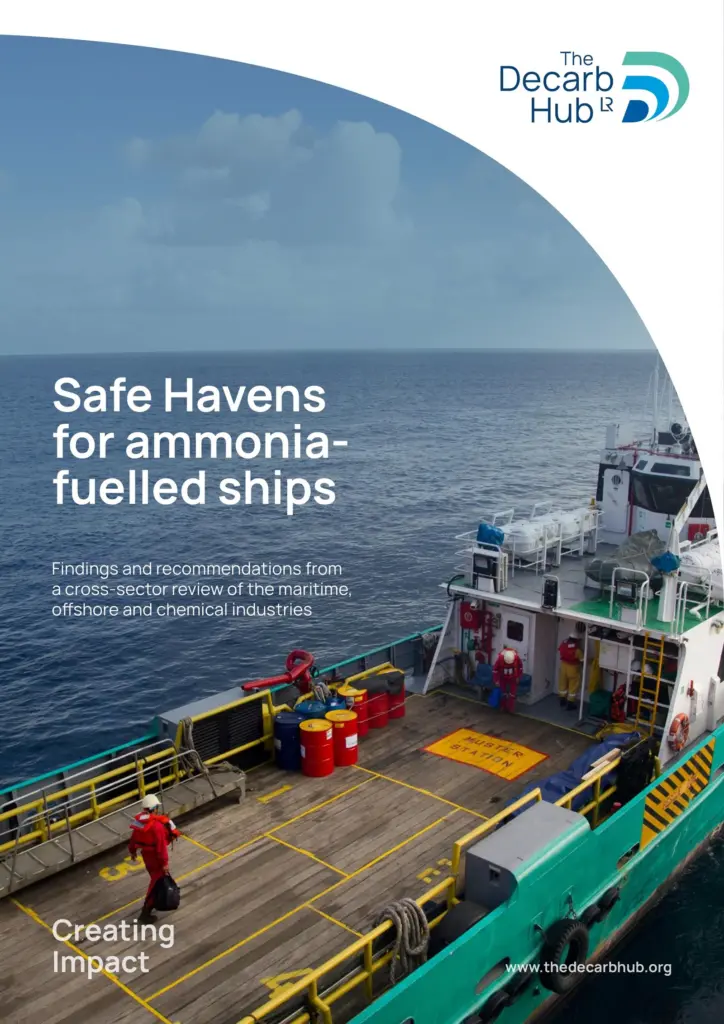
The recommendation is contained in the new report, ’Safe Havens for ammonia-fuelled ships’, which examines how shipping can draw on established safety practices from offshore oil and gas, chemical processing and other high-hazard industries.
Jonathan Bolton, Decarbonisation Risk Analyst at the Lloyd’s Register Maritime Decarbonisation Hub, said: “Ammonia has the potential to play an important role in shipping’s decarbonisation journey, but its adoption must be supported by safety solutions that are robust, practical and consistently applied.”
“Safe Havens are a new requirement for ammonia-fuelled ships and as with any new safety concept, the industry needs practical guidance to build a shared understanding of how Safe Havens should be designed and assessed,” he added.
The report follows the introduction of new IMO interim guidelines requiring ammonia-fuelled vessels to include Safe Havens that protect crews in the event of an ammonia release. While the guidelines establish the requirement, Lloyd’s Register says they leave room for differing interpretations over what constitutes an effective Safe Haven.
Rather than viewing Safe Havens simply as enclosed refuge spaces, the report argues they should form part of a vessel’s wider emergency response strategy, combining crew protection with command, control and accessibility during an incident.
It recommends that performance should be assessed against realistic worst-case scenarios, with consideration given to endurance periods, accessibility, testing, maintenance and human factors throughout a vessel’s operational life.
Bolton said the report draws on decades of experience from industries accustomed to managing toxic gas risks.
“By identifying the critical functions that Safe Havens must perform and proposing a common framework for their assessment, we hope to support designers, operators, classification societies and regulators as they work towards the safe deployment of ammonia-fuelled vessels,” he said.
The findings are intended to help shipowners, designers, regulators and classification societies develop the first generation of ammonia-powered ships while contributing to future international safety regulations.
Related Articles
 ALTERNATIVE FUELS & LUBRICANTS
 ALTERNATIVE FUELS & LUBRICANTS
 ALTERNATIVE FUELS & LUBRICANTS