




Azane and Equinor boost ammonia bunkering
Azane Fuel Solutions has signed a framework agreement with Equinor Energy covering ammonia supply and truck-to-ship bunkering operations for ammonia-fuelled vessels, with initial deliveries scheduled to begin in the second half of 2026.
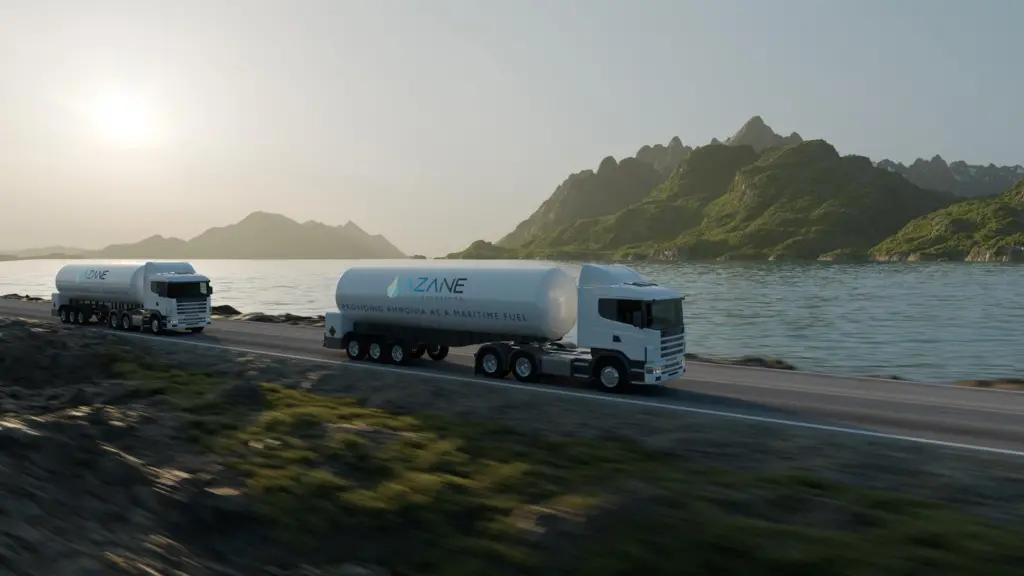
The agreement establishes a framework for future ammonia fuel deliveries and bunkering services, supporting maritime operators as they explore lower-emission alternatives to conventional marine fuels. The arrangement is also intended to facilitate early adoption while dedicated ammonia infrastructure continues to develop.
“This agreement marks an important milestone for Azane and demonstrates growing confidence in ammonia as a marine fuel,” said Steinar Kostøl, chief executive of Azane Fuel Solutions.
“Truck-to-ship bunkering offers a practical and flexible solution for the early adoption of ammonia-fuelled vessels while the broader ammonia fuel ecosystem continues to develop.”
Under the agreement, ammonia will be transported by truck to the quayside and transferred directly to receiving vessels. The approach provides a flexible bunkering model that can support vessels operating with ammonia before larger-scale supply infrastructure becomes widely available.
Azane said the agreement aligns with its strategy of enabling near-term deployment of ammonia as a marine fuel while continuing to develop dedicated infrastructure to support future market growth.
The agreement strengthens Azane’s role in ammonia fuel supply and bunkering services and provides a framework for supporting operators adopting ammonia-fuelled vessels.
For Equinor, the arrangement creates a supply and bunkering pathway that can support ammonia-fuelled maritime operations as the market develops. The first deliveries in the second half of 2026 will provide an early application of truck-to-ship ammonia bunkering.
Azane said continued development of supply and bunkering infrastructure will be important as demand for alternative marine fuels grows and shipping companies respond to increasingly stringent environmental requirements.
Related Articles
 ALTERNATIVE FUELS & LUBRICANTS
 ALTERNATIVE FUELS & LUBRICANTS
 ALTERNATIVE FUELS & LUBRICANTS