


New tools boost ammonia safety
The Lloyd’s Register Maritime Decarbonisation Hub (Decarb Hub) and the Mærsk Mc-Kinney Møller Center for Zero Carbon Shipping have launched a new suite of resources designed to help shipowners, operators and managers prepare for the safe adoption of ammonia as a marine fuel.
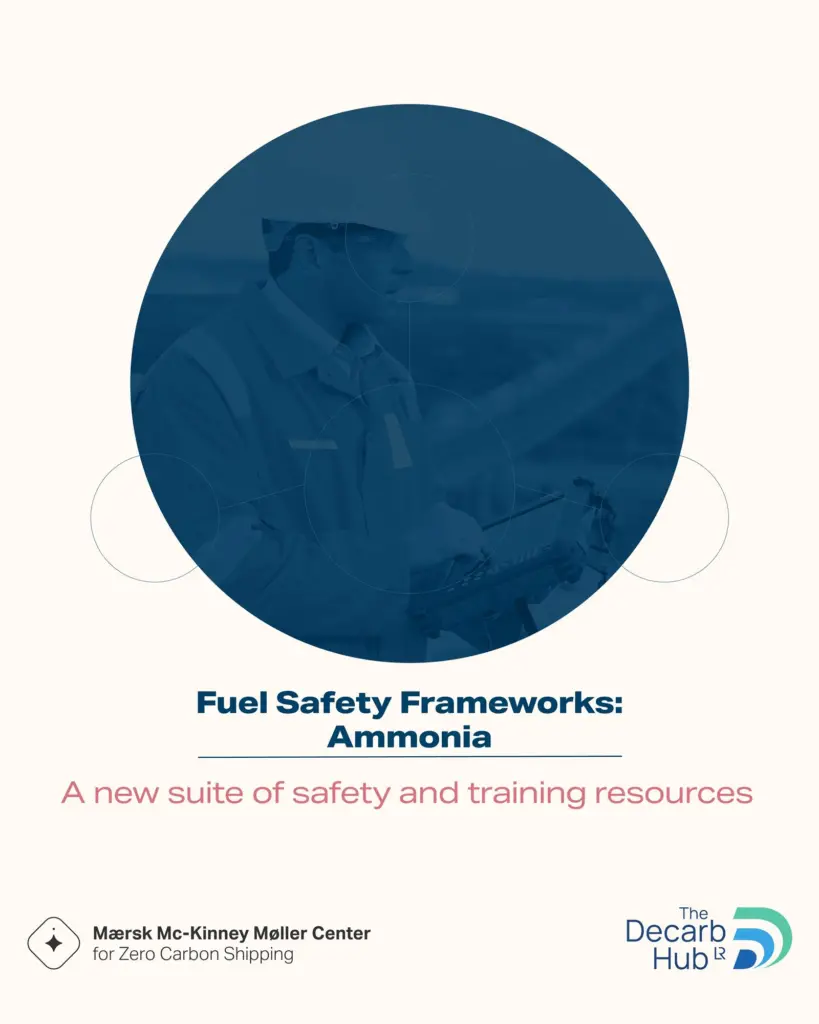
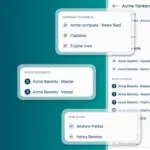
The resources include an Ammonia Process Safety Management (PSM) Maturity Self-Assessment Tool and three Ammonia Competency and Training Practitioner Handbooks. Together, they form part of the Fuel Safety Frameworks: Ammonia initiative, bringing expertise from shipping, energy, fuel production, training and technology sectors.
Tom Chitseko, head of Risk and Safety at Lloyd’s Register Maritime Decarbonisation Hub, said: “People, processes and organisations must be equally ready.”
He added that the resources provide ‘practical guidance’ to help operators build readiness and systematically manage ammonia-related risks.
While technical understanding of ammonia fuel systems has advanced, the fuel’s toxicity presents significant operational safety challenges. The partners said effective risk control will require stronger safety management, training and competencies both at sea and ashore.
The five-tier PSM assessment tool enables organisations to evaluate their current safety management practices, identify weaknesses and track improvements towards ammonia readiness. Its framework draws on established approaches used in chemical processing and oil and gas, where similar hazards are already managed.
The three practitioner handbooks address emergency response; maintenance; and leak detection, management, isolation and repair. They translate realistic ammonia scenarios into competency and training expectations for seafarers, vessel managers, terminal personnel, shore teams and emergency responders.
Martin Eriksen, head of Safety Leadership & Operations at the Mærsk Mc-Kinney Møller Center, said ammonia ‘asks for more of our safety management than the conventional fuels we’re used to’.
He said the tool gives operators “a structured way to see where their safety management stands today, and what ‘ammonia-ready’ looks like in practice”.
The initiative builds on the partners’ earlier Ammonia Phase 3 Competencies and Training project, which identified capabilities and operational requirements needed for safe ammonia-fuelled vessel deployment.
Related Articles
 ALTERNATIVE FUELS & LUBRICANTS
 ALTERNATIVE FUELS & LUBRICANTS
 ALTERNATIVE FUELS & LUBRICANTS