





Polar fuels could cut Arctic carbon
The Clean Arctic Alliance is calling for stronger action to reduce black carbon emissions from shipping in the Arctic, arguing that existing international measures leave a significant regulatory gap.
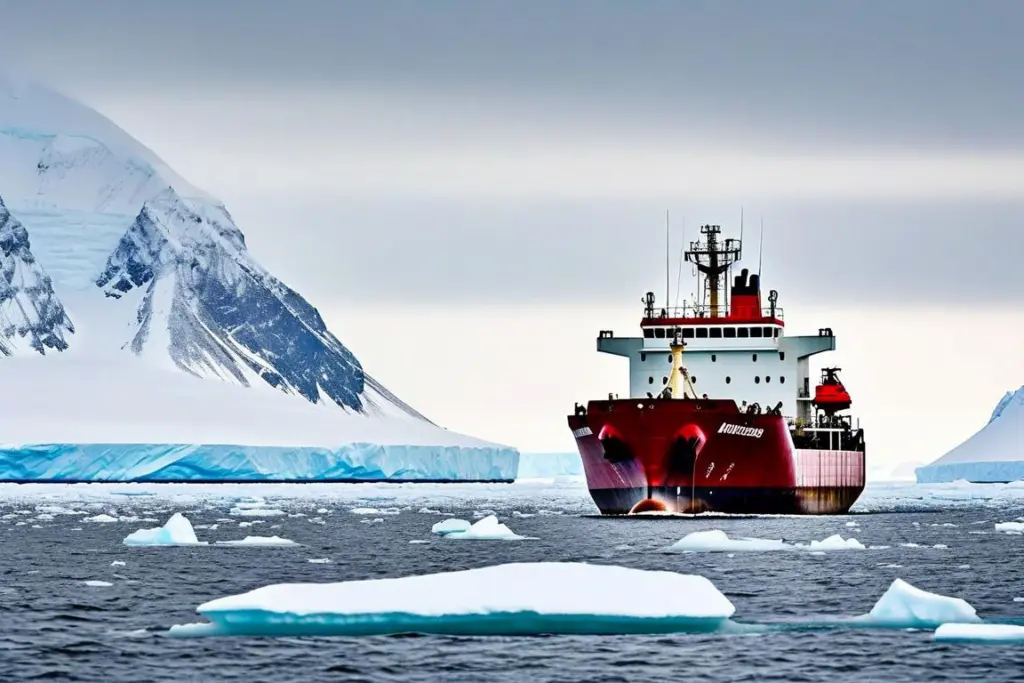
Black carbon is a potent climate pollutant produced by fossil fuel combustion. According to the Clean Arctic Alliance, its impact is particularly damaging in the Arctic because particles emitted from ships can settle on snow and ice, increasing heat absorption and accelerating melting.
The organisation says Arctic shipping has become an increasingly important source of black carbon, with emissions doubling between 2015 and 2021. At the same time, the Arctic is warming rapidly, placing additional pressure on sea ice, wildlife and communities that depend on marine and frozen environments.
Recent regulatory developments, including emission control areas established under MARPOL Annex VI and the Arctic heavy fuel oil (HFO) ban, have improved environmental protections but were not designed specifically to control black carbon.
The Clean Arctic Alliance says ECAs primarily target sulphur and nitrogen oxides, meaning vessels can meet their requirements while continuing to use some residual fuels or technologies associated with comparatively high black carbon emissions. The Arctic HFO ban, meanwhile, is primarily intended to reduce the risks posed by heavy oil spills rather than address air pollution.
The group is therefore supporting the development of a polar fuel standard at the IMO. The proposed measure would require cleaner fuels, including marine gas oil and emerging zero-carbon alternatives, while preventing the use of certain residual fuel oils and scrubber combinations that can continue producing significant black carbon emissions.
A revised polar fuels proposal, co-sponsored by Denmark, Germany, France and the Solomon Islands, is currently under consideration at the IMO.
The Clean Arctic Alliance, alongside WWF, is calling for the measure to cover Arctic marine areas identified through the Arctic Council’s Arctic Monitoring and Assessment Programme.
With Arctic shipping increasing, the organisation says a targeted fuel standard could complement existing measures and directly address a pollutant that remains largely unregulated.
Related Articles
 ALTERNATIVE FUELS & LUBRICANTS
 ALTERNATIVE FUELS & LUBRICANTS
 ALTERNATIVE FUELS & LUBRICANTS