


Shipping alliances unite on cleaner fuels
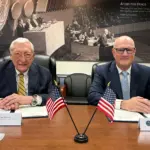
The Clean Shipping Alliance (CSA) and Marine Fuels Alliance (MFA) have signed a two-year memorandum of understanding (MoU) aimed at helping the shipping industry and bunker suppliers meet emissions regulations and accelerate the adoption of alternative fuels and emissions-reduction technologies.
The agreement combines CSA’s expertise in exhaust gas cleaning systems and marine environmental technology with MFA’s network and knowledge across the marine fuels supply chain.
The two organisations will share technical data and research covering MARPOL compliance, alternative fuels and emissions-reduction technologies. They will also coordinate advocacy, including engagement at IMO and alongside meetings of its Marine Environment Protection Committee.
The partnership will support industry events focused on fleet modernisation, retrofitting and fuel-quality standards, while also developing practical operational guidance connecting technology providers, fuel suppliers and ship operators.
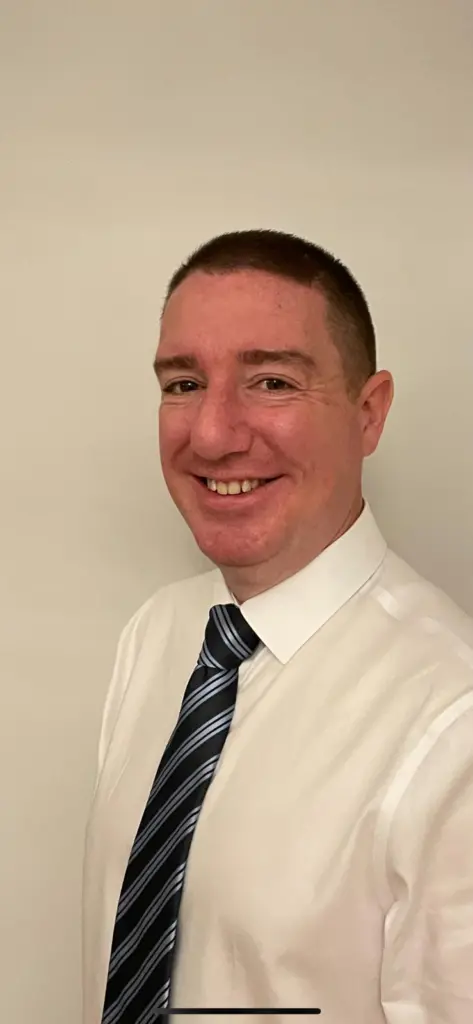
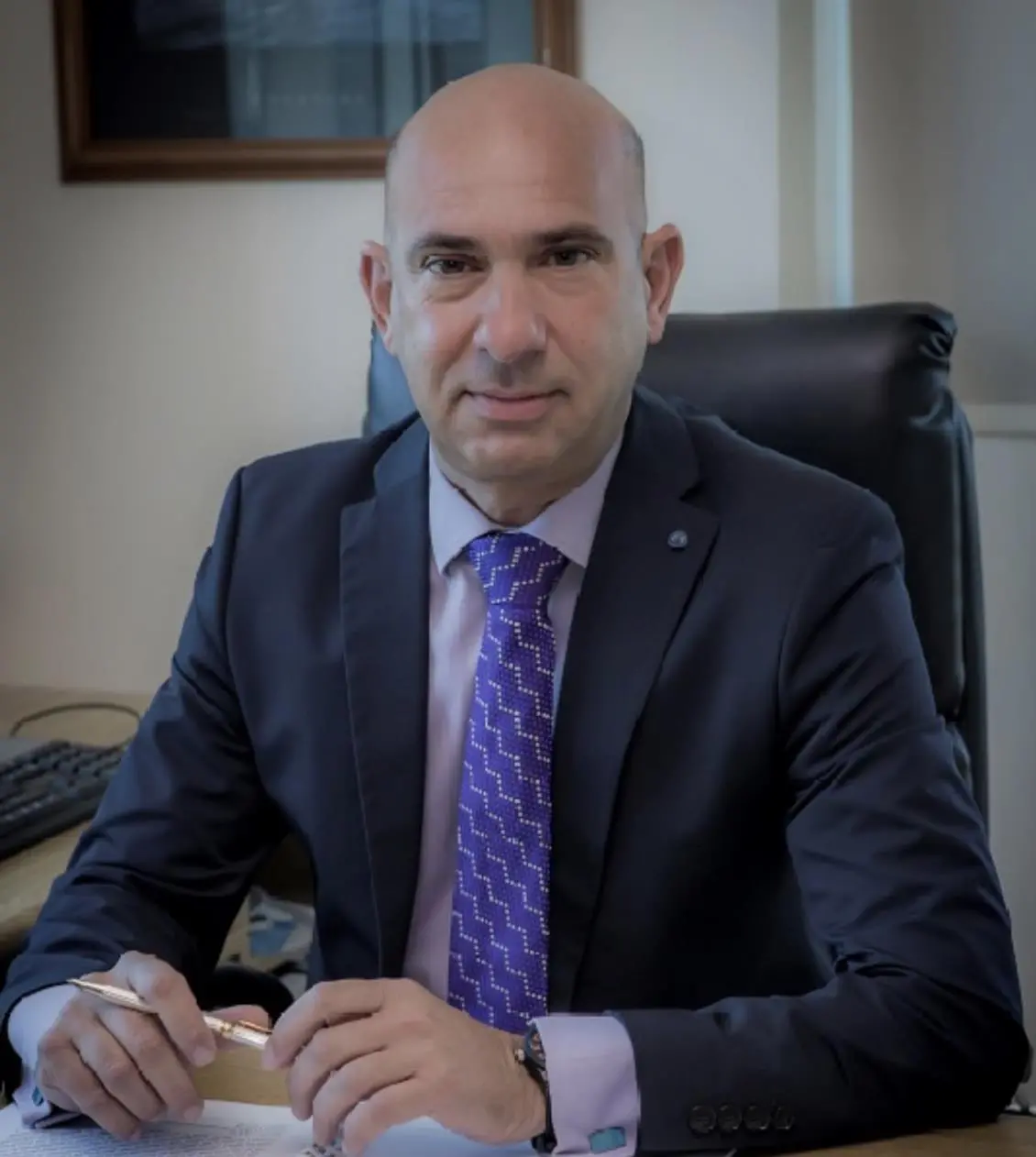
CSA executive director Andreas Chrysostomou said the industry needed cooperation across the value chain to address its regulatory and operational challenges.
“Shipping’s compliance and availability challenges won’t be solved by one technology or one fuel,” Chrysostomou said. “Technologies, fuels and regulation cannot be considered in isolation.”
Anthony Mollet, executive officer of the MFA, said the agreement would provide members with additional technical expertise and insight as the sector moves towards cleaner shipping.
“The CSA brings a wealth of technical knowledge and first-hand industry experience,” Mollet said, adding that the partnership would help companies make ‘informed decisions’ about the transition.
He also highlighted the growing importance of understanding how shipowners’ choices around fuels and emissions technologies affect the wider bunker supply chain.
“For companies across the contractual chain in bunkers, it is increasingly important to understand the decisions being made by shipowners and operators,” Mollet said.
The non-binding MoU will initially remain in force for two years.
Related Articles
 ALTERNATIVE FUELS & LUBRICANTS
 ALTERNATIVE FUELS & LUBRICANTS
 ALTERNATIVE FUELS & LUBRICANTS