


DNV validates Atlas offshore CO2 storage concept
DNV confirms feasibility of ship-to-reservoir CO2 injection concept, advancing Aker BP’s large-scale Norwegian offshore storage project

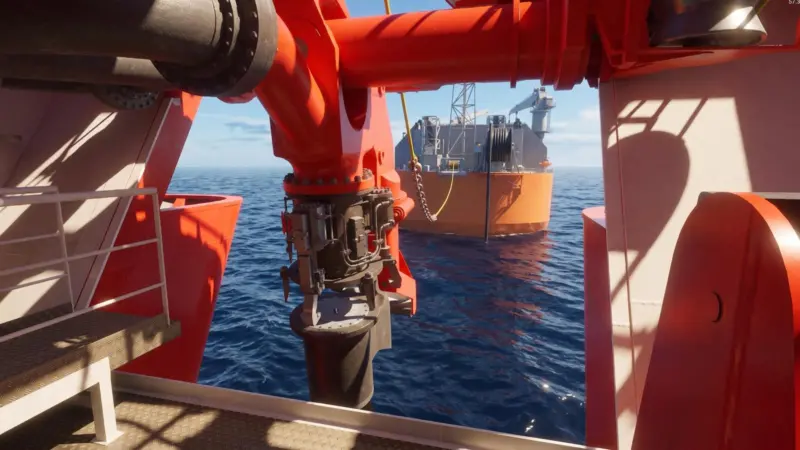
DNV has issued a statement of feasibility for Aker BP and Höegh Evi’s concept to inject carbon dioxide directly from shuttle carriers into subsea wells at the Atlas storage project on the Norwegian Continental Shelf.
The assessment confirms that the marine-based injection concept is technically feasible within the scope examined, identifying key challenges that can be addressed through further engineering and verification.
Prajeev Rasiah, senior vice-president and regional director for Northern Europe, Energy Systems at DNV, said: “Direct injection from ship to reservoir requires the marine, subsea and injection systems to function as one integrated value chain. While further verification and maturation work will be needed as the project progresses, our assessment demonstrates that the concept is technically feasible.”
The proposed development would initially provide capacity to inject up to six million tonnes of CO2 annually, with potential for expansion. The Atlas licence has an estimated total storage capacity of 150 million tonnes, with first injection targeted for 2031.
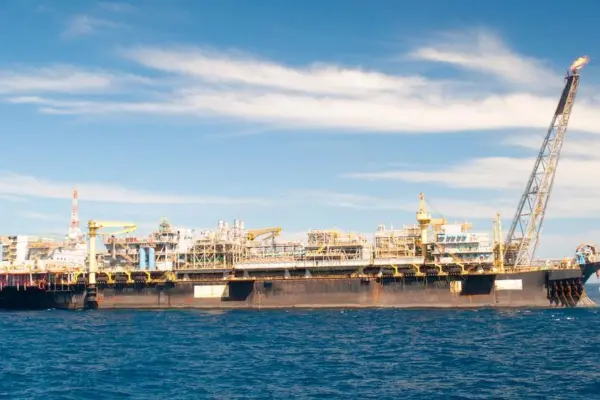
Under the concept, shuttle carriers operated by Höegh Evi would transport liquefied CO2 to the offshore site for direct injection, avoiding the initial need for extensive onshore infrastructure, cross-border pipelines and permanent offshore facilities.
Industrial emissions would first be transported to a floating collection and conditioning terminal, where CO2 would be aggregated, purified and liquefied before shipment. The terminal is designed for intermediate storage of 40,000–80,000 cubic metres, while individual carriers could transport up to 50,000 cubic metres.
DNV’s assessment covered the offshore transfer and injection infrastructure, following earlier approvals in principle for Höegh Evi’s carrier and floating terminal concepts.
Aker BP operates the EXL011 Atlas licence with an 80% interest, alongside ORLEN with 20%. The project received €223 million from the EU Innovation Fund in October 2026, subject to a final investment decision targeted for 2028.
Atlas is also included on the European Commission’s Projects of Common Interest list, supporting its development as a cross-border CO2 transport and storage network.

Related Articles
 EQUIPMENT
 EQUIPMENT
 EQUIPMENT