


Korea advances global onboard carbon capture
A Korean maritime partnership has secured IMO backing for its proposal to develop international safety guidelines for onboard carbon capture
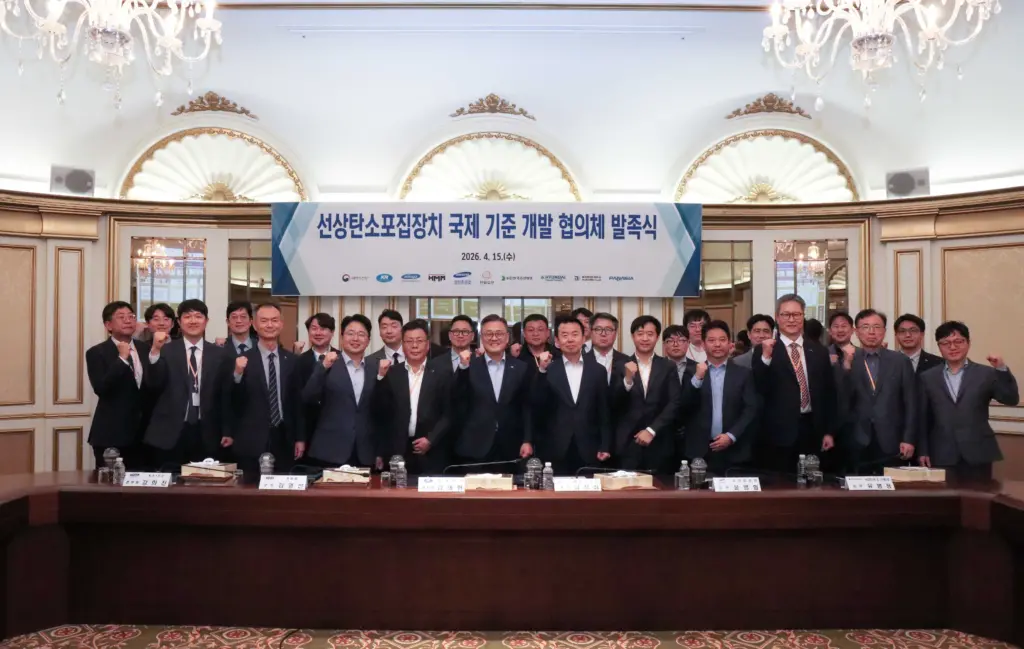
A Korean public-private maritime partnership has secured a major breakthrough in developing international safety standards for onboard carbon capture and storage (OCCS), after its joint proposal was selected as the basis for further work at the IMO.
The decision was reached at the IMO’s 12th session of the Sub-Committee on Carriage of Cargoes and Containers (CCC 12), where delegates agreed to use Korea’s proposal to develop interim OCCS safety guidelines, incorporating elements of a separate submission from the International Association of Classification Societies.
“The practical experience, knowledge and expertise of the entire 10-member partnership have led to an important milestone in the development of OCCS safety standards at an IMO level,” said Kyung-bok Kim, executive vice president of Korean Register.
“Our next step is to bring contributions from member states and international organisations together to develop workable safety requirements.”
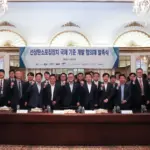
Established in April 2026 and led by Korea’s Ministry of Oceans and Fisheries, the partnership comprises 10 organisations, including KR, HMM, Samsung Heavy Industries, Hanwha Ocean, HD Korea Shipbuilding & Offshore Engineering and research and equipment specialists. KR consolidated the consortium’s technical contributions into the regulatory proposal submitted through the ministry.
CCC 12 also agreed to establish a correspondence group on GHG safety, coordinated by Korea, to advance the guidelines. Joonghun Kim of KR will lead the group, which will report its progress to CCC 13 in 2027.
The proposed framework covers CO2 handling and storage, leakage prevention, emergency response and the safe transfer of captured carbon ashore. It adopts a technology-neutral approach, with common requirements supported by technology-specific annexes.
The guidelines draw on operational experience from HMM Mongla, fitted with OCCS technology in 2024. Risk assessments identified 64 potential hazard scenarios, helping inform practical shipboard safety requirements.

Related Articles
 CARBON CAPTURE
 EQUIPMENT
 EQUIPMENT