


Lithium battery risk fuels ship fires
The rising number of container ship fires is exposing hidden lithium-battery risks, prompting calls for carriers to improve dangerous-goods oversight
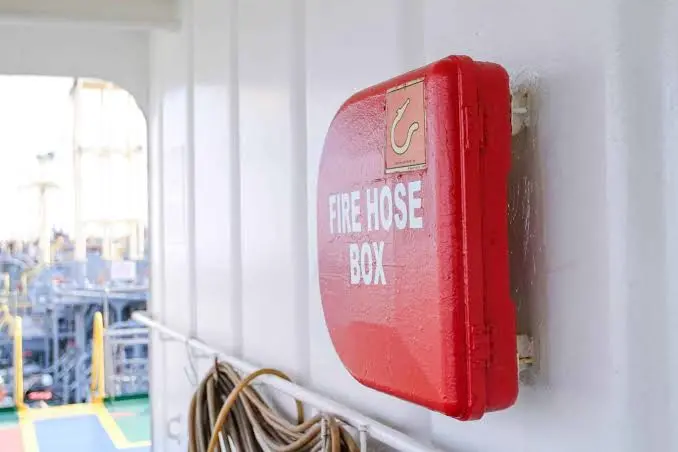
Container ship fires have risen 20% year-on-year to 250 incidents, the highest number recorded in a decade, according to a new global shipping report from Tigris and maritime research firm Thetius.
The report, ‘Before the Fire: Dangerous Goods Safety and the Visibility Gap’, warns that undeclared and mis-declared cargo remains a leading cause of incidents, with a major container ship fire now occurring approximately every 17 days worldwide. It highlights the growing presence of lithium-ion batteries in global supply chains as a particular concern.
“There is the risk that we over-rely on data as the solution, particularly when there is a lack of incentive to course-correct,” said Tom Bebbington, maritime expert witness at Tigris. “Technology must be designed around human error and human self-interest.”
Lithium-ion batteries are increasingly transported inside everyday products, including tools, appliances, vehicles and consumer electronics. The report highlights concerns surrounding Special Provision 188 (SP188), which permits certain lithium cells and batteries to move under reduced requirements when specified testing and packaging conditions are met.
According to the report, reduced declaration requirements can make these goods less visible to carriers and terminals. Errors can then occur when information changes during the booking process but is not consistently reflected in dangerous-goods records, terminal instructions or vessel stowage plans.
The consequences can be severe. In June 2025, an undeclared explosive substance was believed to have caused a container explosion aboard Wan Hai 503 off India’s Kerala coast, killing four crew members. In August 2024, a container carrying 16 tonnes of heat-sensitive peroxide exploded at Ningbo’s Beilun terminal, reportedly causing around US$13 million in direct losses.
Bebbington said operational realities can also discourage intervention. “Data only helps if people are empowered and willing to act on it in time,” he said, noting that corrective action can involve diverting vessels, restowing hundreds of containers, delaying schedules and increasing fuel consumption.
The report concludes that carriers should not wait for regulation to evolve before strengthening their own procedures.
“It’s time carriers don’t wait on regulation to change,” Bebbington said. “They need to act now to change how they ship safely.”
Related Articles
 PROPULSION
 INDUSTRY NEWS
 INDUSTRY NEWS