


Wind power drives shipping net zero
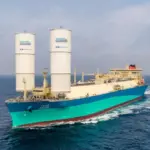
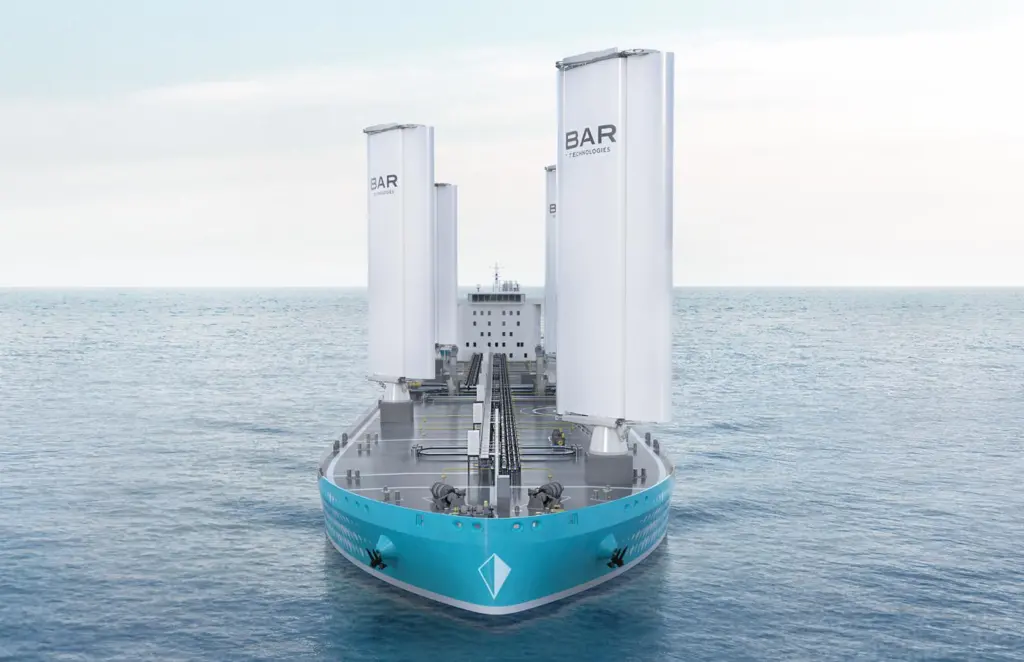
Shipping must accelerate the deployment of proven emissions-reduction technologies rather than waiting for future fuels if it is to meet net zero targets, says BAR Technologies, as it responds to a new report on maritime decarbonisation.
The study by EY Greece concludes that shipping’s transition to net zero will be uneven and require significant investment, with progress constrained by limited alternative fuel availability, infrastructure gaps, shipyard capacity, access to finance and fragmented commercial incentives.
“Shipping needs to stop treating decarbonisation as something that only begins when future fuels arrive or every detail of the IMO’s Net-Zero Framework is settled,” said John Cooper, chief executive of BAR Technologies.
“The industry cannot allow the absence of perfect policy certainty to become an excuse for inaction. Proven technologies are available now and owners can act today.”
The report identifies energy efficiency and operational improvements as among the most practical short-term measures available. BAR Technologies says wind propulsion should be recognised as a key part of that immediate solution, arguing the technology is already delivering measurable reductions in fuel consumption and emissions.
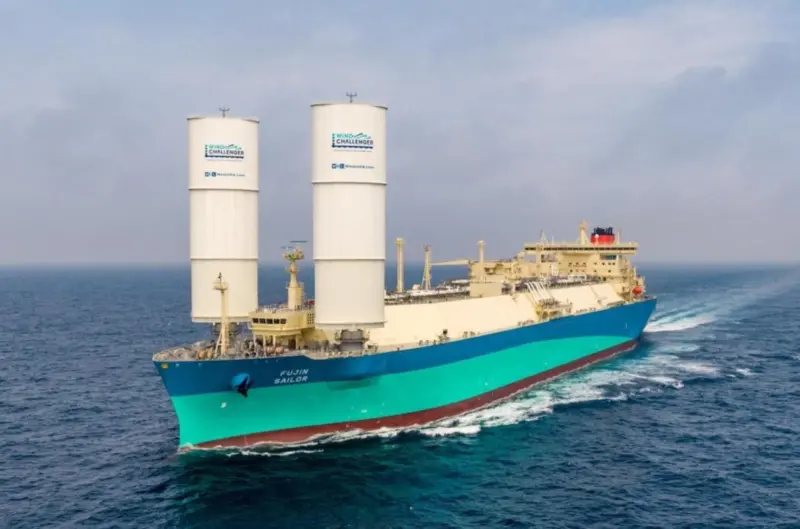
According to the International Windship Association, more than 100 large commercial cargo ships, representing over five million tonnes of deadweight capacity, are now equipped with wind propulsion systems, almost five times the number operating in May 2022.
BAR Technologies expects that by the end of 2026, 10 vessels fitted with 23 WindWings will collectively reduce carbon dioxide emissions by around 100 tonnes each day.
However, Cooper said financial barriers now represent the biggest obstacle to wider adoption, with many shipowners bearing the investment costs while charterers benefit from lower fuel bills.
“Wind propulsion has already passed the technology test,” said Cooper. “Affordable finance, alongside charterparty structures that share the benefits fairly, is what will unlock deployment at scale.”
Related Articles
 WIND PROPULSION
 ALTERNATIVE FUELS & LUBRICANTS
 ALTERNATIVE FUELS & LUBRICANTS