



Everllence verifies first ethanol capable engine
Everllence has verified its first ethanol-capable G80 engine, supporting Vale’s efforts to advance lower-carbon maritime logistics
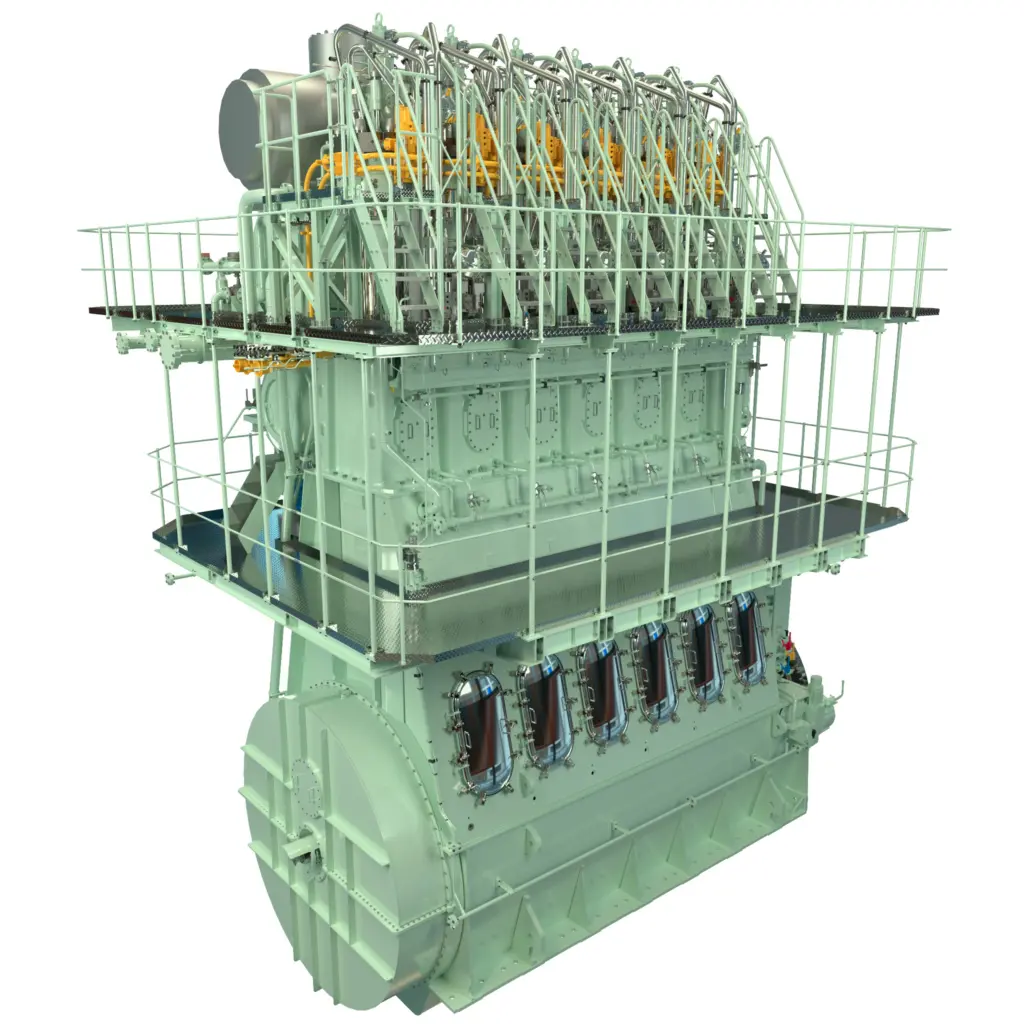
Everllence has announced the successful testing and verification of reportedly the world’s first B&W G80 ethanol-capable engine, marking a significant development in alternative-fuel technology for the maritime sector.
The engine underwent research and development testing at HD Hyundai Heavy Industries Engine and Machinery division in Korea.
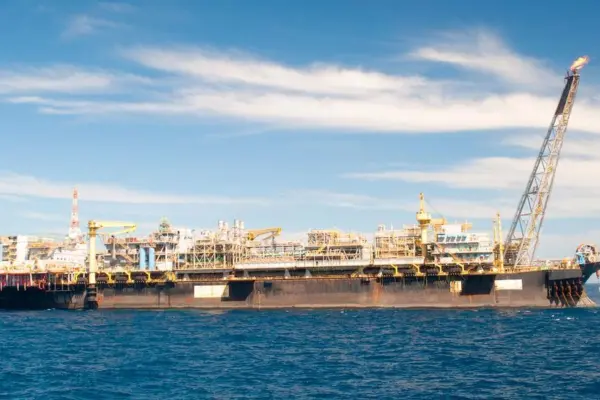
It is destined for the third of 10 very large ore carriers ordered by Shandong Shipping for chartering to Brazilian mining and logistics company Vale, with vessel delivery scheduled for early 2027.
“This marks a major milestone for the G80 engine platform, transforming it into a fully flexible tri-fuel engine capable of operating on fuel oil, methanol, ethanol, or any blend of the latter two,” said Bjarne Foldager, head of Two-Stroke Business at Everllence.
The project follows a cooperation agreement signed by Everllence and Vale in February 2026 to develop an advanced ethanol-powered engine based on the established B&W ME-LGIM platform. The technology is intended to give shipowners greater flexibility as the industry evaluates lower-emission fuel options.
Christian Ludwig, vice president, head of Global Sales & Promotion, Two-Stroke Business at Everllence, said the G80 ethanol engine represents the latest development in the company’s two-stroke dual-fuel portfolio. He said it is designed to support the transition to lower-emission fuels while maintaining operational efficiency, reliability and safety.
Interest in ethanol as a marine fuel has increased over the past five years, according to Everllence, as shipowners seek greater flexibility through multi-fuel engines. The company expects demand for the technology to come primarily from bulk carriers, tankers and container vessels.
Everllence said the project builds on its experience across several alternative fuels, including methane, methanol, ammonia, ethane and LPG. The company has received more than 250 methanol engine orders, with over 100 already in service.
Related Articles
 ALTERNATIVE FUELS & LUBRICANTS
 ALTERNATIVE FUELS & LUBRICANTS
 ALTERNATIVE FUELS & LUBRICANTS