



RINA unveils future-ready propulsion system
RINA’s Mermaid concept cuts fuel use and emissions while giving shipowners flexibility as maritime decarbonisation pathways evolve
RINA has unveiled Mermaid, a future-ready propulsion concept designed to help shipowners reduce fuel consumption and emissions while strengthening operational resilience and protecting long-term asset value.
The concept rethinks how a vessel’s two-stroke main engine is used, enabling it to become the primary source of onboard electrical power as well as propulsion. Mermaid combines a shaft generator, propeller shaft clutch and battery energy storage to improve efficiency without locking owners into a particular fuel or decarbonisation pathway.
“The challenge facing shipowners today is not simply choosing a fuel, particularly as future solutions may emerge that we are not even considering today,” said Antonios Trakakis, Energy Transition Solutions technical director at RINA. “It is preparing a vessel for a future that nobody can predict with certainty.”
When a vessel reaches port, Mermaid disconnects the propeller while allowing the main engine to continue generating electricity. Power can be supplied directly to onboard systems or used to charge batteries, which can subsequently provide electrical power. This reduces reliance on less efficient auxiliary engines, cutting fuel consumption, emissions and operating costs.
The architecture also addresses changing operating profiles as slow steaming becomes more widespread. By combining auxiliary engines and battery storage in a hybrid propulsion arrangement, Mermaid can better match propulsion power to actual operating conditions, reducing the need for excess engine capacity while providing additional power resilience during critical operations.
RINA’s analysis indicates the concept could reduce fuel consumption by more than 1,000 tonnes annually in some applications, with associated reductions in emissions and future compliance costs.
“Today there is no consensus on which fuels will dominate the future of shipping,” Trakakis said. “Mermaid was designed to work whatever the future brings. If the world changes, the ship is ready. If it does not, the economics still work.”
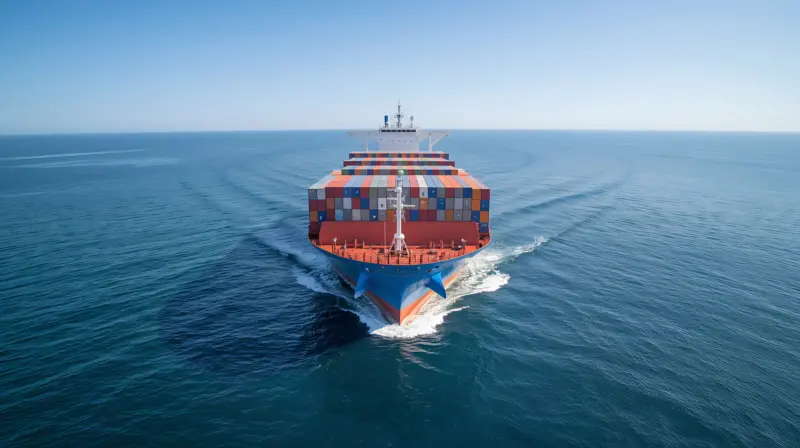
Applicable to tankers, bulk carriers and container ships, Mermaid is now being developed into a detailed design following positive feedback from shipowners and shipyards.
Related Articles
 ELECTRIFICATION AND BATTERY HYBRIDS
 TURBOCHARGER
 INDUSTRY NEWS