



Woodward’s new fuel injection systems for future fuels
Woodward, a key player in fuel injection technology, has released products showcasing the latest developments in injection systems for emerging P2X fuels, particularly methanol and ammonia.
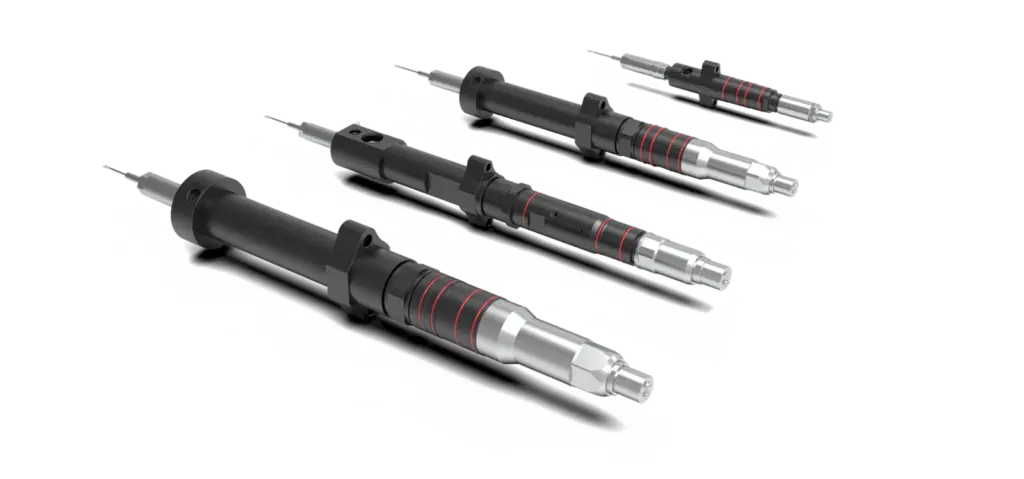
These new systems have been integrated into the company’s Medium Pressure Injection (MPI) and High-Pressure Dual Fuel (HPDF) product lines, reflecting a shift toward supporting low-carbon fuel options in the maritime industry.
The Medium Pressure Injection (MPI) product line is designed for both port fuel injection and medium pressure direct injection applications. It is capable of handling a range of fuels, including methanol, ethanol, ammonia, and hydrogen, with injection pressures up to 250 bar. Using electronically controlled Common Rail technology, the MPI system offers flexibility in fuel type and combustion strategies, while the injectors are customisable to fit specific engine requirements.
For engines operating on higher pressures, Woodward’s High-Pressure Dual Fuel (HPDF) product line offers a twin nozzle system. This design allows for the simultaneous use of ammonia or methanol (up to 700 bar injection pressure) alongside diesel, which can serve as a pilot ignition or backup fuel. The HPDF system is adaptable, with options for both mechanical and Common Rail diesel injection, and its twin-needle design ensures optimal combustion by positioning both nozzles in the centre of the cylinder.
Woodward’s systems are being developed in collaboration with engine manufacturers to meet the increasing performance demands of low-carbon fuels. These technologies, which also include the company’s SOGAV gas admission valve now tested for use with hydrogen and ammonia, aim to support the maritime sector’s transition to more sustainable fuel sources.
Related Articles
 BATTERY HYBRIDS & FULL-ELECTRIC VESSELS
 ALTERNATIVE FUELS & LUBRICANTS
 INDUSTRY NEWS