- News
- Subscribe
- Special Reports
Ammmonia
Methanol
BioFuel & Clean Diesel
Nuclear
LNG
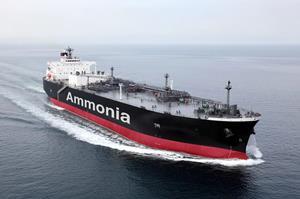
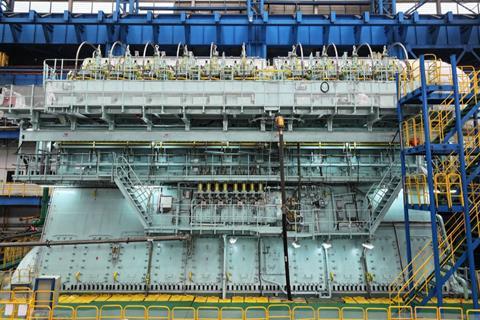
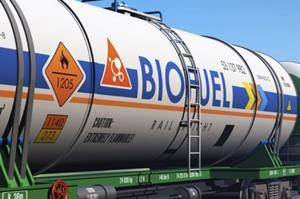

Using an abundant, if toxic, resource to power the maritime fleet. A mature future fuel already in use - but will it become dominant? Numerous NGOs protested against the IMO earlier this year putting biofuels in its Global Fuel Standard, but the “fuel versus food” debate seems to have been solved by deriving fuels from waste. Technically the cleanest possible fuel source available to the maritime world and one that has the longest history, dating back to the 1950s. Why is it not in common, non-military use? LNG is currently the most popular lower carbon fuel, but with bio and e-LNG it could move beyond its current transition fuel status supported by extensive existing infrastructure. Read More Read More Read More Read More Read More
- Industry Database
- Events

Propulsion & Future Fuels Conference 2026
The Motorship’s Propulsion & Future Fuels is the leading international conference on powering shipping’s emissions-cutting ambitions.
The 2026 Conference will take place from 8th - 10th December in Hamburg, Germany and will offer a meeting place to learn, discuss and knowledge-share the latest developments in efficient power and propulsion technology plus alternative low flashpoint and low carbon fuels.
Click here for more information
CO2 carrier central to North Sea scheme
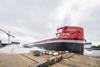
As the first vessel constructed and engineered in Europe to meet the unique challenges of transporting liquefied CO2, the 150-metre Carbon Destroyer 1 is approaching completion in the north Netherlands.
Beyond the commercial significance of the contract in a European shipbuilding context, the vessel is set to play a critical role in laying the foundation for an integrated carbon capture and storage (CCS) value chain. The project could prove seminal in influencing the manner in which industrial emissions are managed across the EU.
Based on a 14,000dwt cargo vessel design concept that set a new benchmark in fuel efficiency and capital cost competitiveness when first introduced in 2017, the LCO2 tank-fitted Carbon Destroyer 1 will support the Greensand CCS initiative in the Danish sector of the North Sea.
Continue this article…
Already subscribed? SIGN IN now

Register for a FREE one-month trial to continue this article
Want to read more before deciding on a subscription? It only takes a minute to sign up for a free account and you’ll get to enjoy:
- Weekly newsletters providing valuable news and information on the shipping sector
- Full access to our news archive
- Live and archived webinars, podcasts and videos
- Articles on innovations and current trends in the shipping industry
- Our extensive archive of data, research and intelligence
Get more free content sign up today
Ready to subscribe? Choose from one of our subscription packages for unlimited access!