



Building Confidence in Next Generation Cylinder Oils
The transition facing the marine lubricant industry today represents one of the most significant shifts in decades.


For years, incremental changes in engine design have been matched by equally incremental adjustments in lubricant technology. The development and OEM approval framework—bench testing, static engine evaluation, and eventual ship trial—was engineered for steady evolution, not for a wholesale reinvention of the lubricant toolbox.
Right now, the market is already moving – dual fuel vessels already account for nearly half of the global order book and by 2050, alternative fuels are expected to be generating more than 75% of the installed power of the two-stroke fleet.
With this industry shift, there is a need to evolve to a new lubricant architecture. The transition towards low- viscosity lubricants, alternative thickeners and a growing mix of alternative fuels such as ammonia, methanol and LNG is highlighting the limitations of a development mindset that was designed for more predictable and established chemistries. As this new demand emerges, the existing framework is required to adapt to the broader and more diverse set of performance requirements.
Why the Traditional Development Pathway Will Struggle
Ship trials will and must remain the gold standard for validating reliability, safeguarding engine integrity, and protecting warranty confidence. However, the real pressure point emerges long before a formulation reaches a vessel.
Vessel availability is already at a bottleneck and once the market requires new lubricants at scale, competition for trial ships will intensify sharply. In such an environment, a failed trial is more than a delay, it is a critical setback. It consumes the already scarce vessel access, inflates development cost, derails timelines and amplifies uncertainty at exactly the moment the industry requires stability and agility. It is imperative that lubricant developers must have absolute confidence in their technology before submitting for trial – but a performance gap exists between developmental tools and deployment at sea.
The Testing Gap: Today’s Tools Are Not Built for Tomorrow’s Chemistry
One of the core challenges lies in the tools guiding early stage decisions. Current bench tests, while effective for traditional chemistry, often lack correlation with real-world engine performance when evaluating next generation technology. Formulators are increasingly forced to interpret ambiguous or contradictory laboratory results produced by methods never designed to discriminate between conventional and new detergent technologies.
Static engine rigs, while invaluable, also present constraints such as limited availability, high operational cost and an inability to fully represent modern thermal, combustion, and deposition environments. Many rigs were built long before today’s fuel and emissions requirements. They simply cannot fully replicate the mechanisms that will matter most in a post-phenate environment.
The consequence is an expanding gap between early stage testing and the high stakes ship trials required for OEM approval. If left unaddressed, this gap risks slowing innovation not due to chemistry limitations, but due to limitations in development infrastructure.
Our Role in the Transition
Lubrizol is prepared to support this shift. With decades of experience in two stroke lubrication development and a long history of close collaboration with OEMs, operators and the broader marine community, we are committed to strengthening the development ecosystem required to navigate this new landscape. Our priority is to enable customers by equipping them with reliable data and stronger correlations, providing them with greater confidence and reduced risk as they enter a ship trial. As a trusted and reliable partner with proven technology and expertise, we believe our role is critical to supporting successful transitions in this evolving and demanding environment.
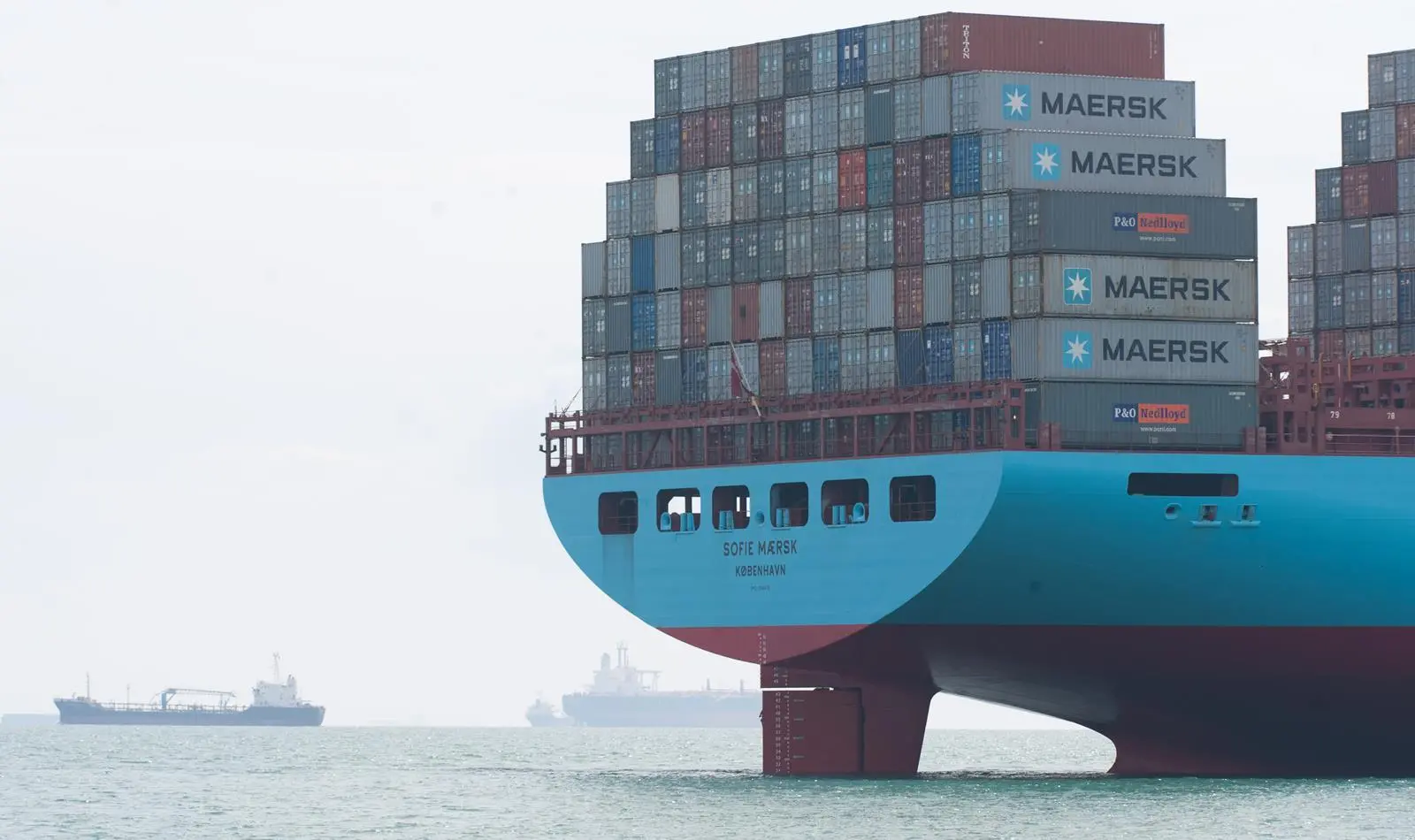
Lubrizol’s Commitment to Change
To unlock the next generation of cylinder oil technology, Lubrizol has identified key steps in modernizing the developmental framework that will feed into ship trial validation.
- Develop predictive, discriminating bench tests that correlate meaningfully with field performance, aligning with the performance needs of new fuel and novel chemistry
- Design modern engine testing platforms replicates real world failure modes, deposit mechanisms and thermodynamic environments
- Integrate advanced tribology analytics, modelling and simulation to predict wear, deposit formation and chemical performance with far higher accuracy
This approach aims at implementing a new multi-stage validation pipeline that de-risks trials for both formulators, customers and OEMs.
The Real Impact: A Need to Rethink Development
The real disruption facing the industry is not any single regulation or constraint, but an accelerating complexity of new engine design, alternative fuels and lubrication demands. To stay ahead and ensure continued reliability, the marine sector must rethink how lubricants are developed, tested and qualified.
A strong technology partner in developing your future solutions is vital. Lubrizol has long been one of the global leaders in marine cylinder lubrication technology. We will continue to lead the way, modernizing our design philosophy and delivering our partners a smooth and timely transition to the next generation of cylinder oils. Together we navigate the evolving landscape of the marine industry – the green transition, leaps in engineering and rewiring of global trade routes, ensuring that the global fleet remains protected, efficient and complaint in the future.
Related Articles
 ALTERNATIVE FUELS & LUBRICANTS
 OTHER NEWS
 NUCLEAR